

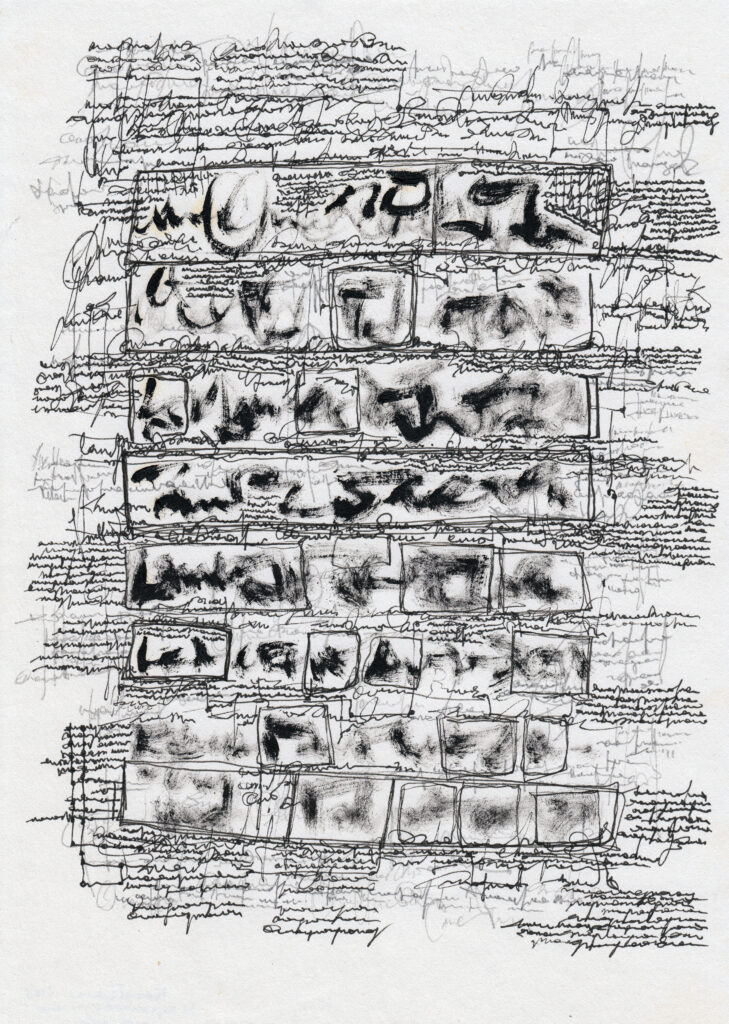

A Small Inheritance
Jennifer Criss
I should have pulled up a chair,
my questions laid out like clean napkins,
ready to catch whatever might fall,
before the quiet settled in for good.
I should have asked about the house she grew up in,
about the winters or the dust of summer roads,
about the fights with her brothers and sisters,
and which of them she missed the longest.
I knew instead the woman at the stove,
who hated pizza with a red-hot passion,
who sometimes ate bologna sandwiches over the sink
while pots simmered and hissed.
She was a constant people-watcher,
standing back from the noise of it all,
studying the tilt of a head or the set of a mouth,
storing what she saw behind her eyes.
“If you’re ever sad,” she told me once,
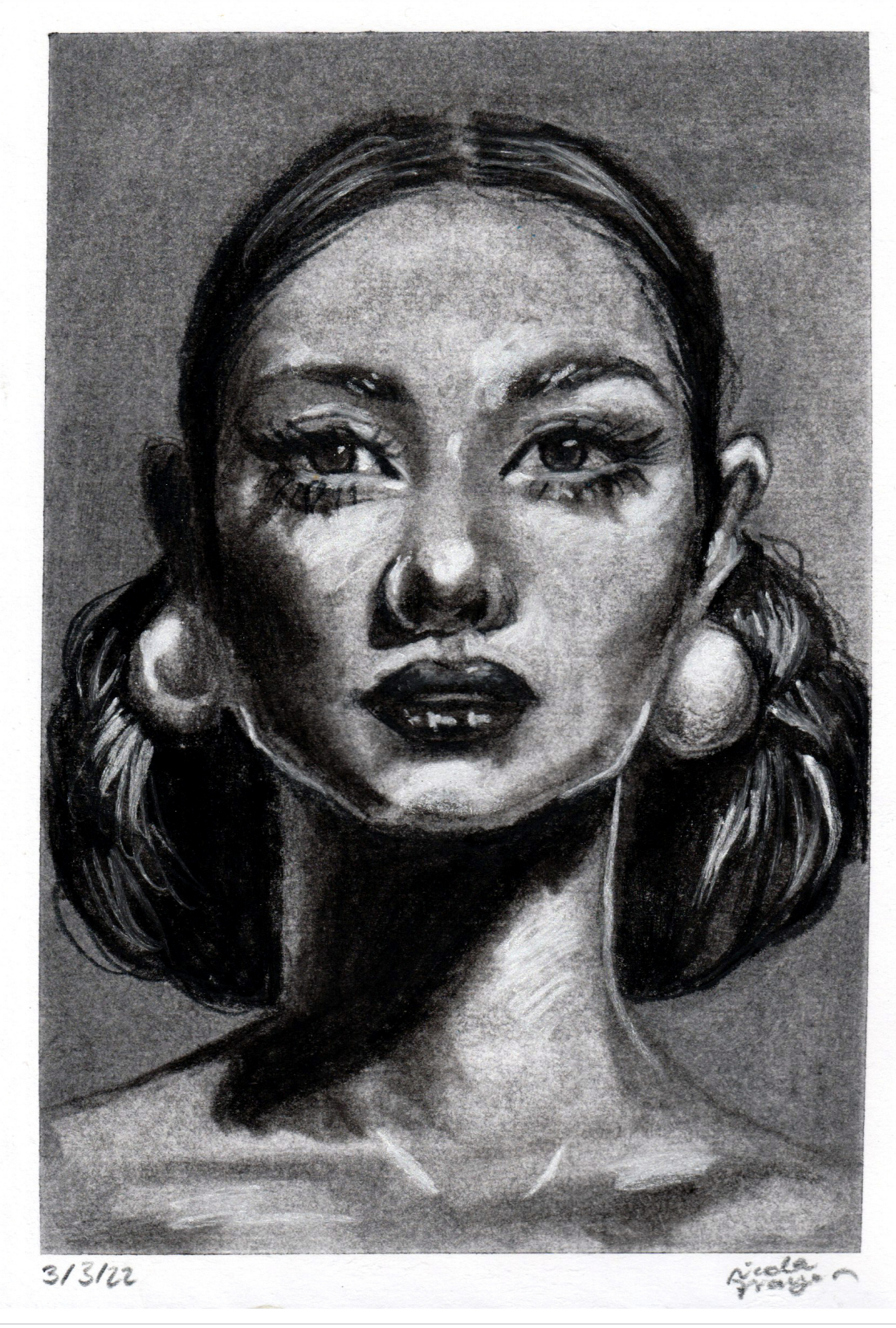
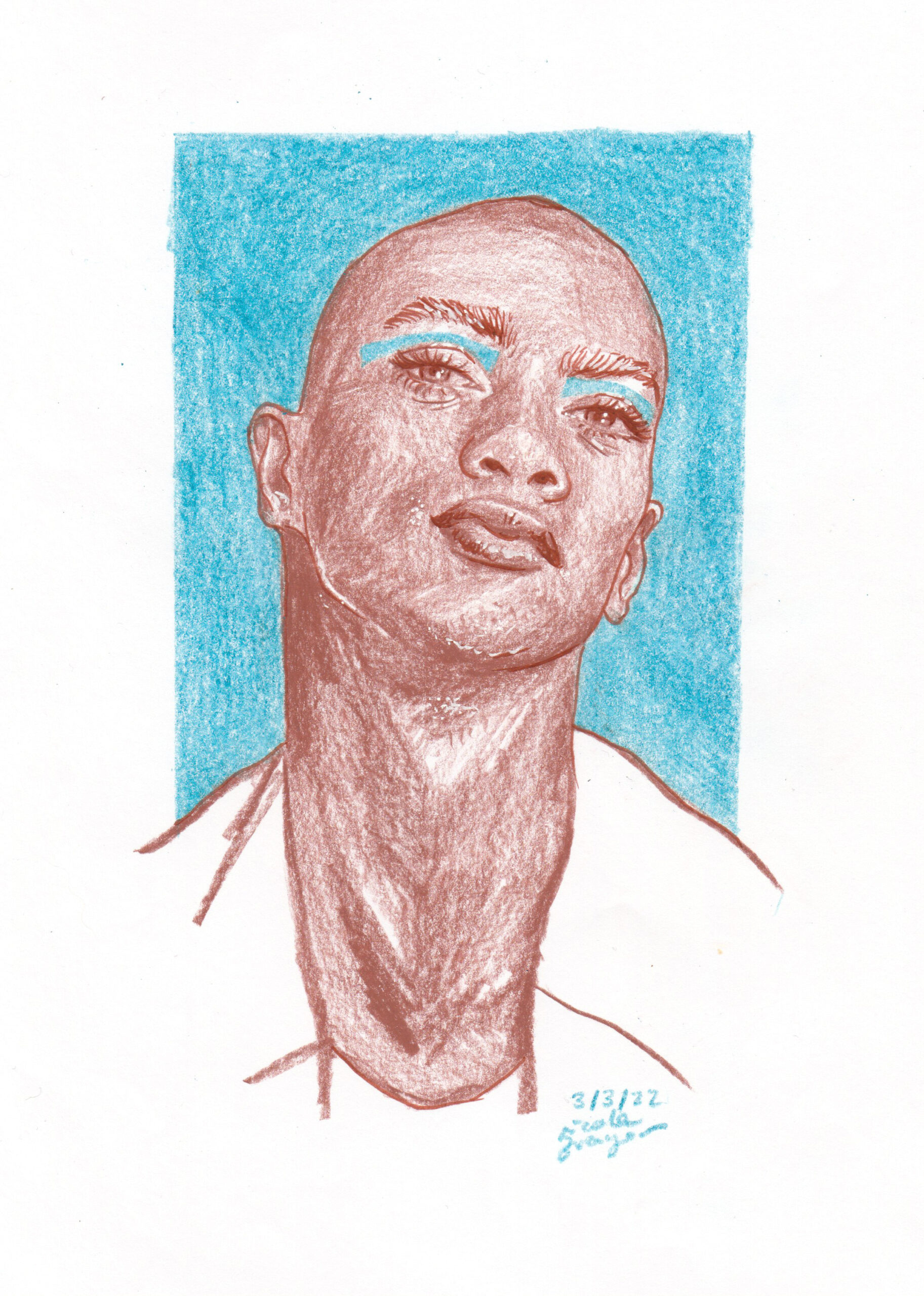
“just sit and watch people’s noses.
You can’t be sad watching people’s noses.”
And it was true.
I wish I had asked about her mother’s hands,
about the first grief that bent her in half,
about what she feared at fifteen
when the world was wider and closer at once.
Stories do not shout when they are leaving.
They slip out between errands and appointments,
hide inside hospital rooms and quiet afternoons,
waiting for someone to notice.
We think there will be another Sunday,
the kitchen heavy with steam and butter,
another chance to ask about the year
the river flooded or when she lost a child.
But time is a careful thief.
It takes the ordinary first—
the names of neighbors, the price of milk—
and only later the heart of everything.
Now I hold what I have
her advice like a small inheritance.
On days when sorrow crowds the room,
I sit on a bench and study the passing world.
Noses rise and dip in quiet determination.
They are imperfect and resolute.
Studied on their own, they verge on ridiculous,
steady at the front of every face.
The sharp edges of the day soften,
worn down by the absurd procession.
Sadness loosens its grip a little.
I find myself almost smiling.
This is what she gave me, after all—
not silver or china or land,
but a way of looking
that makes the unbearable bearable.
And I understand, too late and just in time,
that this is how stories survive—
not in monuments or polished speeches,
but in the stubborn details we choose to keep.
So, ask the questions while the chair is warm.
Lean close enough to hear the breath between words.
Gather the histories that hover in the air,
before they thin into something unreachable.
Jennifer Criss is a poet whose work reflects on voice, memory, and the small moments that shape a life. Her poems have appeared in *Poebita*, *Whispers*, *The Poet Community*, *Indiana Voice Journal*, and several
print anthologies. She was nominated for a Pushcart Prize in 2016 and published a tiny book of poetry, “When You Tell Me to Smile,” in 2019. She lives and writes in Muncie, Ind.
Art: Elaine Chu & Marina Perez-Wong: Click here for more information